Summary: Varicose vein reduction in Wausau involves a thorough evaluation process before treatment options like endovenous laser ablation, radiofrequency ablation, or sclerotherapy are considered. Clinics should prioritize consultations to assess vein disease and determine the most suitable minimally invasive treatment, ensuring patients understand the procedures and expectations. This approach helps avoid confusion and aligns treatment with individual patient needs.
Someone rings the front desk in Marathon County and asks whether the clinic pulls out ropey, twisted veins or just hands out compression socks to quiet the dull ache. The receptionist assumes the caller wants smoother skin for summer. The scheduler starts hunting for an open surgical block. The vascular doctor knows better than to book any procedure before someone runs an ultrasound probe along the patient's leg.
Treating varicose vein reduction in Wausau like a drive-through menu creates headaches all over the building. Clinics work better when their public materials send every caller toward a full workup first, with specific procedures left as possibilities the doctor raises after reading the diagnostic scans. A tidy list of treatments may look neat to an agency, yet it pushes hard medical calls onto an anxious patient who has no way to know whether tight skin, heat, or swollen blue knots come from deep valve failure or smaller surface branches.
A strong page gives callers plain answers without acting as though the diagnosis is settled already. People across northern Wisconsin want direct details about how the clinic looks for reflux, what techniques the physician uses, what happens on the first visit, and how previous patients felt about the results.
Start with the consultation, not the laser
Lead with the initial diagnostic appointment.
When tired legs make it hard to get through a shift, people want relief from the swelling and the throbbing, and pushing a specific laser right away makes the visit feel like a retail pitch instead of a real medical appointment.
Industry reports from 2026 note that endovenous laser ablation and radiofrequency ablation serve as preferred minimally invasive treatments, two methods that displaced hospital vein stripping years ago. The writeup said doctors perform EVLA and RFA in the office under local numbing with duplex ultrasound guidance, which shows why clinic sites need to talk about finding backward blood flow instead of crowning one machine the winner for every leg. Building pages around the first checkup protects the clinic from bad expectations. Patients often think vein work is just skin-level touch-ups. Actual care requires medical history reviews, hands-on exams, and real clinical judgment. Websites that tell readers to book an evaluation before promising a specific fix give receptionists a steady intake script to use, and they leave the doctor free to choose the right path in the exam room.
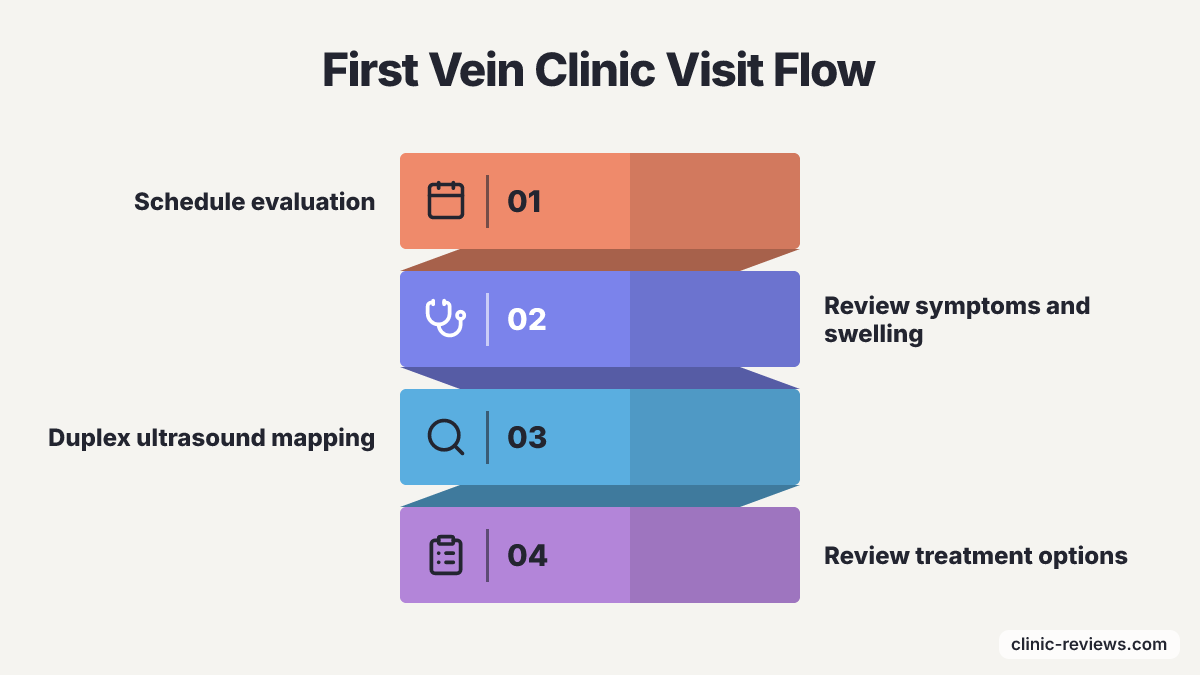
Walking visitors through the routine of that first day calms their nerves. The site can outline the visit from start to finish: schedule a full evaluation, go over daily aches and visible swelling with the clinician, get mapped on duplex ultrasound if needed, and review choices like EVLA, radiofrequency, or foam sclerotherapy. That sequence answers practical questions about the appointment without locking anyone into a treatment before the imaging comes back.
A pure aesthetic business has to handle this differently. A beauty medspa treating tiny spider veins on the surface should not borrow the language of chronic venous disease if it lacks diagnostic ultrasound equipment or board-certified vascular supervision. Keeping quick cosmetic touch-ups apart from deep venous care prevents patients from expecting an insurance workup, and it spares surgical centers from answering calls they cannot help.
Leading with the first exam also shapes how a medical director builds the rest of the site, because the text has to separate early questions from final treatment plans.
Which treatment options belong on a Wausau clinic page?
A good vein service page lays out EVLA, radiofrequency ablation, and sclerotherapy as separate medical tools, not as rival sales packages. Most people searching for care have no idea where truncal saphenous veins end, where reticular feeders sit, or how tiny spider veins fit into the picture. That is why the site has to explain how each therapy works and also show that diagnostic ultrasound decides which one gets chosen. Endovenous laser ablation needs plain, direct wording whenever an office has the laser equipment. The 2026 report described EVLA as a reliable modern method for walk-in vein procedures, handled with ultrasound mapping and local numbing fluid placed right around the vein. The page does not need to claim that nobody feels anything. It should spell out the physical facts: patients stay awake during the visit, vascular imaging guides the thin fiber into place, and people go home to recover instead of checking into a hospital bed.
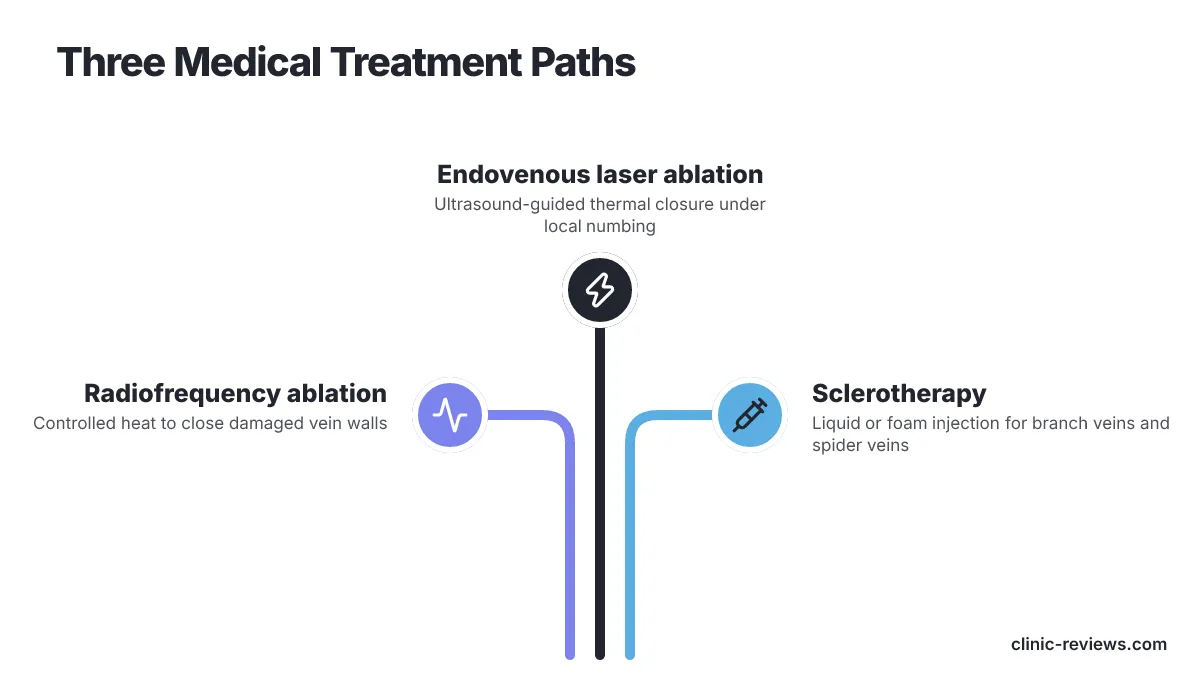
Radiofrequency ablation belongs beside the laser explanation. In the 2026 report, RFA appears with EVLA as a thermal method that replaced traditional hospital vein stripping for patients with axial reflux. Clinic copy works best when it explains that RFA uses controlled heat to close damaged vein walls, while the doctor decides which thermal tool fits after reviewing the vascular scans. Sclerotherapy needs careful explanation because first-time visitors often mix up medical vein injections with spa-style touch-ups. Vein centers use liquid or foam solutions as proven medical care for branch varicosities, perforators, and spider veins once deeper reflux has been fixed. Any local practice offering these injections should say whether it is treating surface blemishes, painful branch veins, or leftover vessels that stay behind after a thermal procedure.
Conservative options belong on the site only if the clinic actually tries them during initial consultations. Medical-grade compression socks, raising the legs through the day, and targeted exercise changes are real therapies. People want to know whether a doctor checks off those non-invasive steps before scheduling a procedure. If an office sends every person straight to the ablation room, it should not pretend conservative care is part of its philosophy.
Treatment language patients can compare
| Option | What the page should say | Where confusion starts |
|---|---|---|
| Endovenous laser ablation | The 2026 report calls EVLA a low-impact procedure guided by ultrasound and done under local numbing fluid. | Patients hear the word laser and picture surface skin zapping instead of a tiny fiber inside the vein. |
| Radiofrequency ablation | The 2026 report groups RFA with EVLA as modern thermal options that replaced surgical vein stripping. | Patients often have trouble seeing why a doctor picks RFA over EVLA once ultrasound results are back. |
| Sclerotherapy | Reference documents confirm sclerotherapy as a tested, medical-grade therapy used across vein clinics. | Patients often assume every injection treats the same vein type or brings the same cosmetic result on the same timeline. |
| Diagnostic consultation | A consultation reviews symptoms, checks surface changes, and decides whether ultrasound mapping is needed before care is scheduled. | Patients can mistake a quick visual screening or beauty consult for a full clinical vascular workup. |
Staff should not present this breakdown as a treatment promise. It exists to clear up basic confusion before someone calls, and it points the reader toward an in-person vascular ultrasound where clinical evidence sets the plan.
Clear educational copy builds trust when it includes practical logistics. Patients want to read about appointment length, local anesthesia methods, required ultrasound checks, walking instructions after the visit, and the physician's credentials. Leave out those day-to-day facts, and the front desk gets buried in repeat calls the moment local outreach starts to work.
How should clinic owners explain price, downtime and diagnosis?
Money talks need clear lines, not marketing gloss. People looking for varicose vein reduction clinics in Wausau want the numbers early, but no ethical practice can quote a full treatment price before it maps the vessels, grades venous reflux, and checks insurance rules.
A better approach starts with the basic fee and then names the clinical factors that change the final total after the ultrasound is done. A clear site lists the consultation fee right away, says whether the diagnostic scan carries a separate technical charge, tells people if staff verify insurance before the visit, and states plainly that spider vein sessions are self-pay. That gives patients a real sense of what they owe on day one, and it keeps the billing desk out of fights over vague phone estimates. Discount offers need care because vein care sits between medical need and elective cosmetic work. The pricing structure from Cora Health shows how separating procedure bundles from the first ultrasound scan keeps bills readable, giving regional practices a practical model for their own rate cards. Patients can see which services the first visit covers when the preliminary scan appears on its own line.
Medical directors who run seasonal campaigns should read every line of ad copy themselves. Claims about painless vein removal, permanent fixes, or flawless legs invite regulator attention and leave patients disappointed after treatment. Managers can use the Clinic Reviews ad compliance checker to check landing pages, print flyers, and social campaigns for overpromising language before they pay for placement. Recovery timelines need plain language. Simplify's 2026 summary classified EVLA and RFA as quick outpatient visits, but practice websites must state that each person's healing follows the discharge instructions from the attending physician. Vague notes about minimal rest help no one. Patients need direct guidance on when they can lift heavy objects, how long they should walk, how long the compression hose stay on, and when follow-up duplex checks happen on the calendar.
Diagnostic copy should walk through the visit in order. Tell readers that the vein specialist looks at aching legs, ankle swelling, and bulging ropes before recommending laser ablation or chemical closure, using ultrasound during the exam and again during needle placement. That sequence shows respect for the physician's time and keeps the clinic from feeling like a walk-in retail shop where visitors just pick services from a menu board.
Detailed diagnostic mapping is normal across outpatient medicine. As reported by The Blunt Times in 2026, VeCura Wellness pairs STYKU 3D Body Analysis with its patient intake before building out therapy plans. Vein doctors do not run body shaping gear, but the point still fits: people follow procedural advice much faster when the physical scan comes before anyone talks about intervention.
Direct fee disclosures, practical recovery guidance, and structured diagnostic roadmaps leave prospective patients with a single logical next step, schedule an evaluation if symptoms match the clinic's scope, or call the front desk to clarify insurance coverage.
What proof makes a vein clinic credible before the call?
Patient testimonials build trust only when the clinic ties feedback to the exact service. A high average rating gives broad reassurance, but someone with aching legs looks for mentions of comfort during the procedure, clear diagnosis, office efficiency, and plain billing practices.
Clinic Reviews runs a search directory that lets prospective patients review verified ratings and comments for American outpatient facilities across several medical fields. Its public profiles show the overall star score, gather feedback from more than one platform, and point to repeating notes about care and office conduct. That gives medical practices a clearer picture of the reputation signals local searchers notice. A vein clinic in Marathon County has to read patient feedback with the same care it gives paid ads. If the glowing remarks praise a friendly front desk but say nothing about vein therapy, the clinic has general goodwill, not proof of specialized care. Complaints about long waits or surprise facility fees point to weak spots that get worse as patient volume grows.
Collecting patient feedback takes careful timing across the visit process. Asking for a review after a scheduled follow-up exam draws out richer comments than asking right after an ablation, because the patient has had time to judge symptom relief, healing progress, and communication after the procedure. Staff should never offer gifts for testimonials or ask visitors to give a certain star rating. Responses to negative reviews should speak to future readers, not reopen a specific medical dispute. A good reply shows thanks, stays within medical privacy law, and explains clinic standards for consultation steps, ultrasound exams, or post-care check-ins. Defensive answers to clinical complaints just make new patients less likely to call the office.
Before-and-after images need stricter internal review than ordinary text reviews. Photos of resolved varicosities can be persuasive, but the clinic has to use the same lighting, the same camera angle, accurate recovery timing, and patient consent forms. Those details decide whether a photo informs or misleads. Practice owners need one clinical review standard for visual proof across social accounts, web pages, and print media.
Publishing the clinical team's background builds needed trust. Visitors want to know which physician reads their vascular scans, who handles the radiofrequency catheter, and who answers post-procedure questions. Hiding credentials behind vague corporate branding cuts accountability and sends prospective patients to other regional providers.
Strong social proof leads patients toward an initial appointment request only after it answers basic questions about clinical qualifications, available therapies, out-of-pocket costs, and verified patient experiences.
How should a Wausau clinic turn interest into booked consults?
Site visits only turn into booked consults when the intake process matches what the front desk hears each morning. Your main landing page, phone script, and booking form ought to collect the same details: current vein symptoms, leg aching or heaviness, past vascular procedures, insurance data, and whether the person wants pain relief, better-looking legs, or both. Front-desk staff should not diagnose anyone on the phone. A good script tells the coordinator to say the practice begins with an initial visit and diagnostic ultrasound imaging to check blood flow, then the doctor decides whether EVLA, radiofrequency ablation, or sclerotherapy fits the case. That calms nervous callers without letting non-clinical staff practice medicine from a desk.
Leave procedure pick-lists off intake forms. Asking someone to choose between radiofrequency ablation and chemical sclerotherapy from a drop-down menu clutters the record and sets up false expectations before the patient ever meets the physician. A cleaner web form gathers symptom history and leaves appointment length to the clinical team.
Patient inquiries rise fast, and administrative bandwidth can make or break the whole marketing push. Buying regional search traffic brings little value if dropped calls and slow insurance checks push people toward other providers. Similar healthcare fields handle this load through targeted hiring: DDS Recruit operates as a dentistry-only recruiting firm placing dental professionals and administrative personnel across private practices and groups through targeted screening and cultural vetting. You do not need a huge call center to keep consult rates steady. Set a strict rule to return messages within one business day, build a reliable system for insurance checks, and post a clear checklist of what paperwork new patients should bring. Callers asking about swollen legs or dark ropey veins belong with an intake worker who knows the protocol, not in a voicemail backlog.
Local web pages should feel regional without leaning too hard on geography. Mentioning Wausau, nearby towns, highway corridors, and clinic hours grounds the page in real life, but descriptions of vascular disease should read like straight medical science. Stuffing town names into every paragraph ruins the copy and makes prospective patients doubt your credibility.
Send ad traffic to separate pages based on intent. Someone with throbbing legs and long-term swelling needs diagnostic details and insurance coverage facts. Someone asking about surface spider veins wants out-of-pocket cosmetic pricing. An existing patient just needs a quick way to schedule follow-up care. Build separate pages for each group instead of forcing everyone into a generic vascular overview. Try calling your own front desk as a secret shopper. Submit the online form, dial the main line, ask about consultation costs and ultrasound scheduling, and listen to whether your staff explains things the way your site promises. If the phone experience clashes with your marketing, fix the workflow in the office before spending another dime on digital ads.
Conclusion
Look at the main page patients reach before they call your clinic. Put the full initial vein consultation front and center, explain plainly that any specific procedure depends on what the ultrasound scan reveals, and keep descriptions of EVLA, radiofrequency ablation, and sclerotherapy on the site only when your staff actually offers them in Wausau.
You do not need a marketing agency to get this right. Get your vascular specialist, an intake coordinator, and your site manager together in one room to make sure your web pages match what happens in your treatment rooms. After the digital copy matches reality, refresh your phone scripts, print clear financial guides, and post honest patient feedback. The marketing gets someone to book the consult, leaving medical choices to the doctor.
Frequently Asked Questions
What are the main treatments for varicose vein reduction in Wausau?
The main treatments for varicose vein reduction in Wausau include endovenous laser ablation (EVLA), radiofrequency ablation (RFA), and sclerotherapy. These are minimally invasive procedures performed in the office under local anesthesia and guided by duplex ultrasound. Each treatment is chosen based on the patient's specific condition as determined by a thorough evaluation.
How does the initial consultation for varicose vein treatment work?
The initial consultation involves scheduling a full evaluation where the clinician reviews the patient's symptoms and visible swelling. If necessary, a duplex ultrasound mapping is conducted to assess the veins. This process helps determine the most suitable treatment options, such as EVLA, RFA, or sclerotherapy, without committing to a procedure before understanding the patient's condition.
Why is a diagnostic ultrasound important before choosing a treatment?
A diagnostic ultrasound is crucial because it identifies the presence of backward blood flow and assesses the condition of the veins. This information allows the physician to choose the appropriate treatment method, whether it be EVLA, RFA, or sclerotherapy, based on the specific needs of the patient rather than making assumptions based on surface symptoms alone.
What should patients expect during an endovenous laser ablation procedure?
During an endovenous laser ablation procedure, patients remain awake while the doctor uses ultrasound guidance to insert a thin fiber into the vein. Local numbing fluid is applied around the vein to minimize discomfort. The procedure is done in the office, allowing patients to go home the same day without needing a hospital stay. It is a low-impact treatment option for varicose veins.
How do clinics in Wausau handle pricing and insurance for varicose vein treatments?
Clinics in Wausau handle pricing by starting with a basic consultation fee and explaining that the final cost depends on clinical factors identified during the diagnostic ultrasound. Insurance coverage varies, so clinics assess venous reflux and check insurance rules before providing a full treatment price. This approach ensures transparency and helps patients understand potential costs, as noted in a report by the Albuquerque Journal in 2023.
Sources
- Inside the Pain-Free Procedure Eliminating Varicose Veins Worldwide | Streamline (news, streamlinefeed.co.ke)
- VeCura Wellness Expands Across South India with Science-Backed, Non-Invasive Body Transformation Solutions - The Blunt Times (news, theblunttimes.in)
- Metropolitan Detention Center healthcare options shopped to Bernalillo County Commission