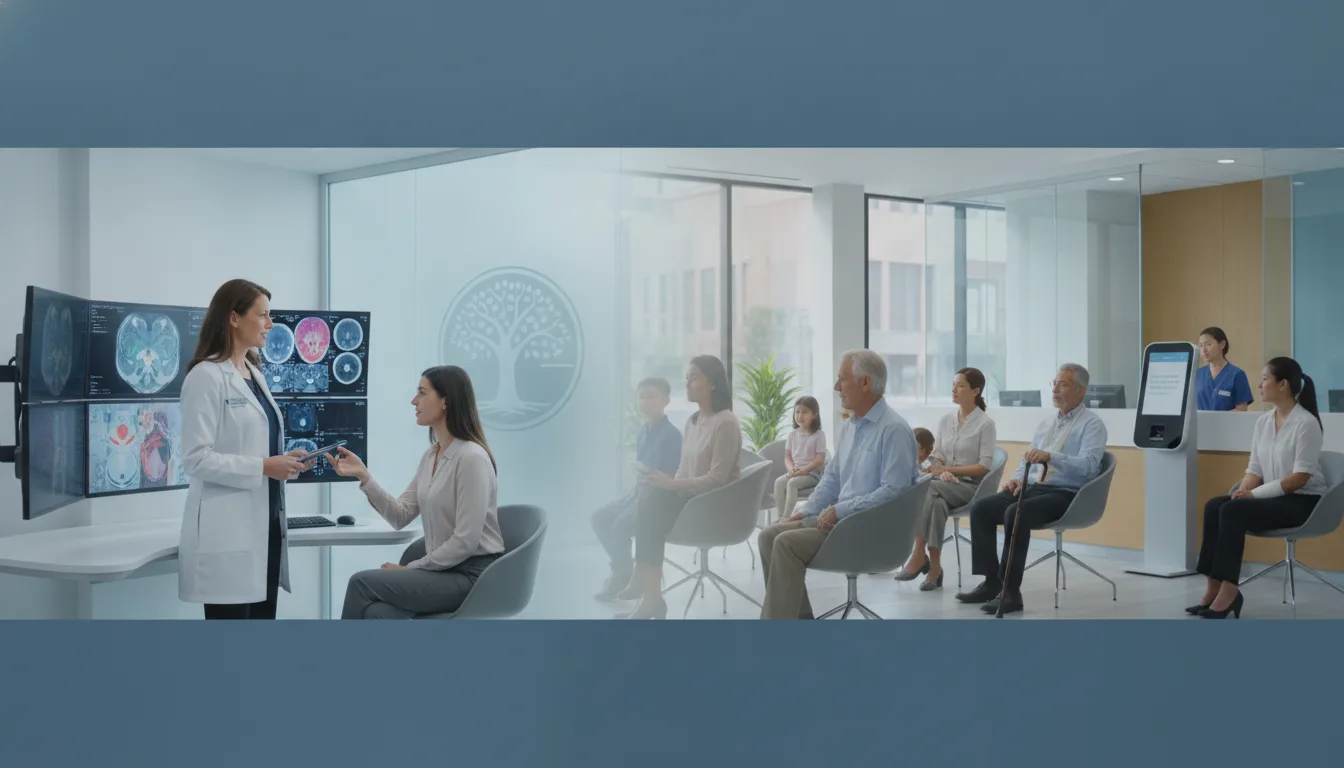
Summary: Sequoia Radiology at Sequoia Hospital in Redwood City, California, offers comprehensive diagnostic services, including 64-slice CT scans, MRI, and digital mammography, reviewed by board-certified radiologists. The department's integration within the Dignity Health network ensures coordinated care and faster service, enhancing patient outcomes and trust through advanced technology and a patient-centered approach.
Sequoia Radiology at Sequoia Hospital in Redwood City, California, offers a wide mix of diagnostic services. Those include 64-slice CT scans, MRI, and digital mammography, all read by board-certified radiologists. The department sits inside the Dignity Health network, so care stays connected and service moves faster. That arrangement supports better patient results, while its use of advanced equipment and a patient-centered style helps build confidence.
The 143 reviews indexed for Sequoia Hospital’s radiology department show how patient comments shape a clinic’s reputation and its patient volume. When diagnostic centers fail to capture or display those experiences, they miss a chance to earn trust. People fill the silence with guesses, and that usually works against the practice. The result shows up in fewer referrals and slower patient onboarding. For clinic owners, better patient engagement starts with seeing how modern diagnostic hubs like Sequoia Radiology use specialized technology and easy-to-reach service models to hold their place in crowded markets. If you run a large diagnostic facility or a smaller walk-in clinic, the mechanics of patient trust stay the same.
Key Takeaways
- Reviews decide bookings: Platforms like BestProsInTown report that Sequoia Hospital’s radiology department has collected 143 reviews, and new patients treat that number as an early check on care quality.
- Specialization improves outcomes: Advanced facilities stand out with high-precision diagnostic tools, such as the 64-slice CT scan, plus interventional radiology services like UFE and kyphoplasty (Dignity Health, 2023).
- Regional care networks matter: Patients in specialized fields often depend on coordinated care networks, such as those in Starkville, Mississippi, where cancer treatment centers provide multi-disciplinary oncology services (North Mississippi Health Services, 2023).
- Accessibility drives volume: Walk-in clinics, such as the facility in Maryville, Missouri, meet immediate patient needs by offering steady, unannounced access for non-life-threatening conditions during extended hours (Mosaic Life Care, 2023).
- Digital presence is mandatory: Clinics that do not actively manage their online profiles often struggle to bring in patients, so resources like our Free Clinic Ad Compliance Checker matter for digital transparency.
At a Glance
| Service Type | Key Features | Primary Goal | Availability |
|---|---|---|---|
| Diagnostic Radiology | CT, MRI, Mammography | Accurate Diagnosis | Scheduled (Mon-Fri) |
| Interventional Radiology | Stents, Biopsies, UFE | Minimally Invasive | Scheduled |
| Cancer Care | Radiation, Hematology | Treatment Coordination | Specialized |
| Walk-In Clinic | Minor care, urgent needs | Immediate Access | Daily/Walk-in |
What Does Sequoia Radiology Offer Patients in Redwood City?
Sequoia Radiology, operating as the Imaging and Radiology Department at Sequoia Hospital in Redwood City, California, provides a full set of diagnostic services, including 64-slice CT scans, MRI, and digital mammography. Board-certified radiologists review those studies to support diagnosis and care planning. The department works as a central hub inside the Dignity Health network, and that structure keeps patient care tied together. Beyond standard imaging, the hospital also offers interventional radiology services, which give patients minimally invasive alternatives to traditional surgery (Dignity Health, 2023). Procedures at this level include angioplasty, stent placement, and uterine fibroid embolization. Patients who choose this facility benefit from having those services built into the broader hospital structure, so transfers move faster and care stays continuous when acute cardiac or surgical intervention is needed. For owners who want to improve their own scheduling, you can learn more about managing patient appointments and expectations on our blog.
Sequoia Radiology's commitment to advanced technology and patient-centered care makes it a leader in the field. The department can offer a wide range of services under one roof, so patients get timely, coordinated care without the stress that comes with moving from one appointment location to another. That integrated setup supports better patient outcomes and also improves the patient experience, which helps trust last over time.
How Does Radiology Integration Support Cancer Centers in Starkville?
Cancer centers in Starkville, Mississippi, including the NMMC Radiation Oncology-Starkville location, fold advanced radiology into treatment instead of leaving it parked in a separate department. That difference matters. Precision oncology needs more than a scan sitting in another wing. This site uses RapidArc radiotherapy technology, a form of highly precise intensity-modulated radiation therapy. Sessions take less time, so patients are not pinned in place as long, which helps when the machine room already feels tense.
These centers also hold weekly tumor conferences. Surgeons, radiologists, and oncologists sit together and work through cases one by one. The room changes the feel of care. Screening, diagnosis, treatment, and follow-up survivorship care stay visible at the same time instead of getting handed off like unrelated chores. Diagnostic imaging stops acting like a side service. It becomes part of the plan from the beginning, and patients usually notice that coordination.
Radiology matters here because it helps teams fit therapy to the person in front of them. Better imaging gives doctors a clearer sense of where to aim and when to adjust. Care feels less improvised. Patients notice something else too, a steadier sense that the people treating them are talking to one another.
Why Do Patients Choose Walk-In Clinics in Maryville?
Patients go to the Mosaic Walk-In Clinic in Maryville, Missouri, because it treats non-life-threatening problems without the appointment dance (Mosaic Life Care, 2023). The clinic keeps the same hours every day, so residents can get help for minor injuries and illnesses when they need it. It runs as a walk-in-first site, though it still asks people to call ahead and check current wait times before they arrive. That warning matters on busy days.
By handling immediate, unscheduled needs, the clinic eases pressure on local emergency rooms and gives people a quicker path to care. For clinics trying to raise volume, that kind of access matters because it cuts out booking friction. If you want to improve how your clinic handles similar volume, you can check this with our Free Patient Review Request Kit.
Walk-in clinics like Mosaic fill an important gap. They give patients a practical place to go when they do not have a regular primary care doctor nearby. No appointment means more people can be seen, and urgent concerns get handled sooner. In rural or underserved areas, that can make a real difference, since healthcare options may already be thin on the ground.
What Is the Most Effective Way to Manage Patient Reviews?
Managing patient reviews means watching feedback closely and replying in a way that shows the practice is paying attention. For large departments like the one at Sequoia Hospital, 143 reviews create a large store of social proof that shapes what local residents choose next. Clinic owners should keep transparency at the center, because positive reviews often mention staff responsiveness, clean facilities, and quick service. When negative feedback appears, a clear response helps protect the practice’s credibility. For a deeper dive into this, see our article on Dr. Joan Jerrido Camden: Handling Patient Complaints. Done well, review management turns a quiet profile into something that brings in appointments.
Effective management of patient reviews takes steady attention. Clinics need to check online platforms regularly, answer feedback in a timely way, and stay engaged with patients who leave comments. When staff address concerns and call out good experiences, the practice’s reputation tends to improve. Prospective patients notice that. So does the search traffic that leads them there. In a crowded healthcare market, that public record can be one of the few things that sets a clinic apart.
How Do Regulatory Accreditations Affect Patient Trust?
Regulatory accreditations, including those from the American College of Radiology, give people a public sign that a facility has cleared outside standards. For top cancer centers in the North Mississippi Health Services network, that signal matters a lot (North Mississippi Health Services, 2023). Patients want proof. Promises by themselves don’t carry much weight. Before they ever step inside, they want to know the site has been checked for safety and expertise.
That proof works in two places at once. Online, a badge on a website can settle nerves before the first call. In the lobby, the same badge can do the same job when someone is sitting in a waiting room and feeling exposed. In a field where anxiety is already high, that kind of signal matters.
It is not enough to offer the service and expect people to fill in the rest. Patients now look for evidence before they choose a provider. Using the Clinic Directory to check your clinic’s standing can show how you compare with other facilities in the region.
Accreditations help build trust and credibility in healthcare. When a clinic earns them and keeps them, it shows a steady commitment to patient safety and high-quality care. For people seeking specialized services, that reassurance matters because they need to know the facility follows demanding standards of practice.
When Is the Strategy of High-Volume Walk-In Care Ineffective?
A high-volume walk-in model breaks down fast in specialized diagnostic or surgical settings. Those places depend on careful scheduling and care that unfolds in stages. In specialized radiology, clinical accuracy comes first. The patient’s full medical history does too. Push a rapid-access walk-in system into interventional radiology or oncology, and you can end up with broken follow-through and missed diagnostic steps.
Some clinics also need preparation before the appointment starts. Fasting may be required. Sometimes contrast dye instructions matter too. Those steps only work when visits are planned and controlled. If a case calls for a detailed multidisciplinary review, speed becomes a poor substitute. The patient’s longer-term needs can disappear when the whole system is built around volume.
Specialized clinics do better when they put precision and coordination ahead of raw numbers. Detailed care plans let them serve the specific needs of their patients without trimming the work down to fit a stopwatch. That is how these treatments keep their meaning and their effect.
How Can Clinics Leverage Technology for Better Patient Engagement?
Clinics can leverage technology to enhance patient engagement by implementing digital tools that streamline communication and improve service delivery. Online appointment scheduling, telehealth consultations, and patient portals are essential components that modernize the patient experience. By utilizing these technologies, clinics can reduce wait times, increase accessibility, and provide patients with more control over their healthcare journey.
Telehealth services have gained significant traction, especially during the COVID-19 pandemic, allowing patients to consult healthcare providers from the comfort of their homes. This convenience not only improves patient satisfaction but also expands a clinic's reach to patients in remote areas. Moreover, patient portals enable individuals to access their medical records, test results, and treatment plans online, fostering transparency and empowering patients to take an active role in their healthcare.
For clinics looking to adopt these technologies, it is crucial to ensure that the systems are user-friendly and secure, protecting patient data while enhancing the overall experience. By embracing digital solutions, clinics can build stronger relationships with their patients, improve retention rates, and stay competitive in a rapidly evolving healthcare landscape.
Conclusion
If you want better patient flow, start with the basics. Check how your clinic appears on major search platforms. Make sure the operating hours are right. Then look at patient feedback. It should be collected, and it should be visible, because people notice when a location clearly shows the quality of its service.
The advice here assumes you are already watching your online reputation and your capacity. It does not fit a practice in the middle of a major facility transition. In that situation, staff stability and internal communication need to stay in front. External marketing can wait.
Start by making the public information match everywhere it appears. Directories, listings, and other public pages should all say the same thing.
Frequently Asked Questions
How can I find radiology services near me?
Start with a search tool that lets you sort by city and specialty, then look for verified patient reviews on a platform like Cities. After that, check whether the radiologists are board-certified and whether the facility carries accreditation from groups such as the American College of Radiology. Those two checks give you a better sense that the imaging work meets recognized standards for quality and safety.
Does insurance cover diagnostic imaging like CT scans?
Most plans do pay for medically necessary imaging, including CT scans and MRIs, but the exact answer depends on your policy and on the test your doctor orders. Call your insurer before the appointment. Ask about your benefits, and ask whether pre-authorization is required. That step can spare you an unpleasant bill later.
What should I ask before a radiology appointment?
Ask whether you need to fast, whether any medications should be paused, and what you should do about contrast dye. Also ask how the results will reach you, and how long that usually takes. If a follow-up visit with the referring physician is part of the process, get that clarified before you show up. It saves confusion at the back end.
Are walk-in clinics always faster than emergency rooms?
For minor injuries and routine illnesses, walk-in clinics are generally quicker and cheaper. For an emergency, they are the wrong place. Go to an emergency facility right away if the situation is serious. Emergency departments are built for critical care, while walk-in clinics handle common acute problems.
Related reading
- Real-World Challenges for Small Clinic Owners
- Associate Doctor Placement for Practice Transition 2026
- Your Dental Practice Is Missing on Google Maps. Here Is the Unforgiving Reason Why.
Sources
- Imaging and Radiology Department - Dignity Health - Sequoia Hospital, Redwood City, CA - Reviews (143), Photos (11) - BestProsInTown
- Mosaic Walk-In Clinic - Maryville
- Cancer Care | North Mississippi Health Services
- Interventional Radiology | Sequoia Hospital | Dignity Health | Dignity Health
- Health Care Services in Maryville, MO