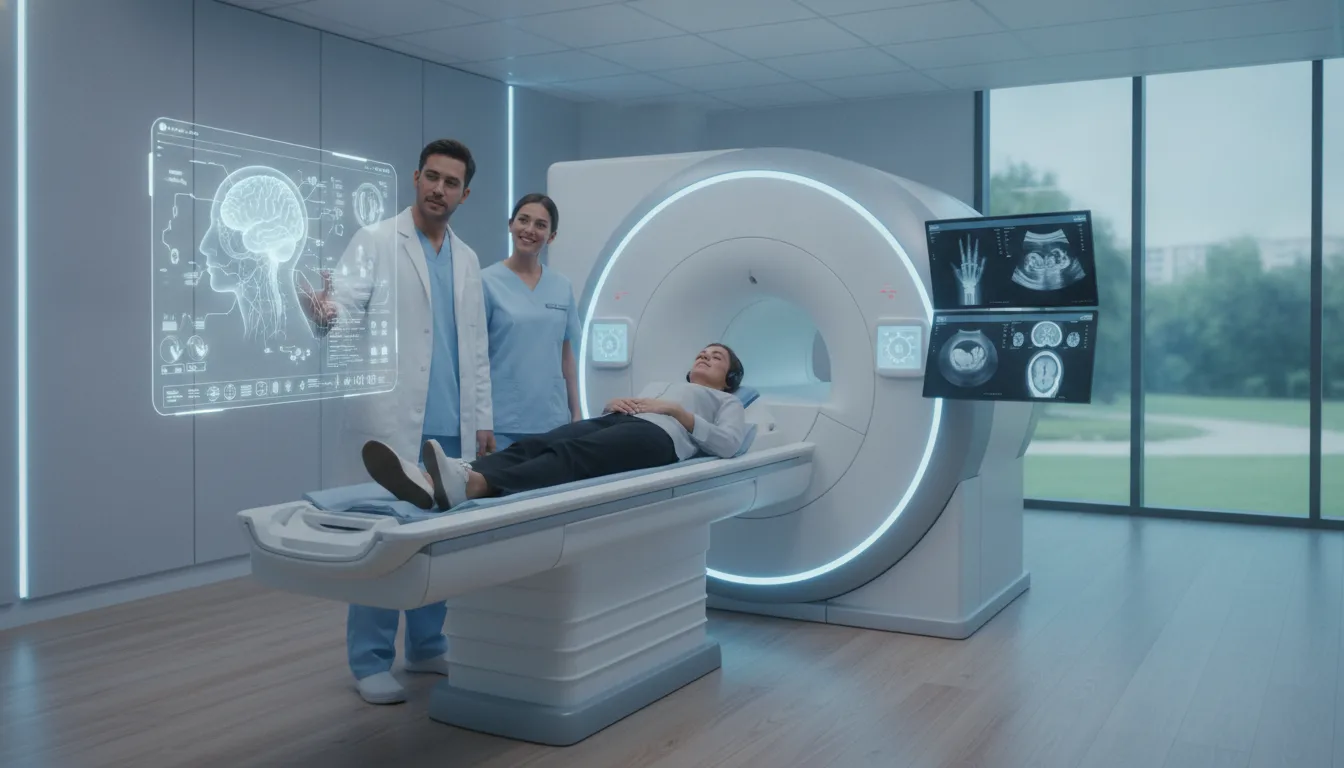
Summary: Diagnostic radiological imaging is evolving with AI integration, enhancing accuracy and efficiency in clinics. Indiana leads in price transparency compliance, influencing patient choices. Patient reviews significantly impact clinic reputation and success, while workforce shortages are addressed through training programs. Regulatory compliance remains crucial, and technology enhances patient experience through improved communication and convenience.
A patient comes to the front desk with an order for an abdominal scan, stops at the counter, and asks for the exact price before booking. In Indiana, source reporting says 70% of hospitals now meet federal price transparency rules, which is far above the national rate of 49.4%. That gap says a lot about how fast regional healthcare standards can shift once patients push harder and regulators give them backup.
Independent imaging centers and hospital radiology wings are under a sharper sort of scrutiny now. People check scheduling delays, diagnostic accuracy, and the price list before they agree to a scan. Modern diagnostic radiological imaging needs clinical precision and plain administrative information, because patients do not want a surprise bill weeks after a routine study.
Of the 36 imaging clinics listed across 12 cities in our directory, the ones that publish prices, current scan protocols, and verified clinical histories get booked sooner than older providers. Facility directors now have to manage equipment upgrades and clear patient communication at every step of care.
Key Takeaways
-
AI speeds up clinical work: Machine learning platforms built by innovators like Clinads cut the time spent on image processing and patient intake, and they lower the chance of human error during early screening.
-
Patient feedback shapes clinic growth: Verified reviews steer provider choice, and leading regional practices such as Methodist Germantown Radiology (Methodist Health, 2023) show that a perfect 5/5 patient rating can keep trust and referrals steady.
-
Workforce training fills staffing gaps: Structured educational pipelines, including Trinity Health's dedicated cardiac ultrasound training initiative (KXNET, 2023), give diagnostic imaging suites the technical staff they need to stay open and busy.
-
Proactive regulatory monitoring protects revenue: Diagnostic centers avoid penalties by reviewing public promotional materials with our Free Clinic Ad Compliance Checker on a quarterly schedule.
At a Glance
| Operational Metric | Indiana Healthcare Facilities | National Healthcare Average | Primary Facility Impact |
|---|---|---|---|
| Price Transparency Compliance | 70% compliance rate | 49.4% compliance rate | Cuts scheduling friction and builds trust in billing |
| Monitored Imaging Facilities | 36 clinics in 12 cities | Varies by state registry | Shows local market density and consumer choice |
| Artificial Intelligence Integration | Accelerating across private practices | Early hospital adoption | Speeds diagnostic turnaround and automates front-desk outreach |
| Workforce Development Initiatives | Active regional hospital pipelines | Fragmented institutional training | Keeps technician staffing steadier for ultrasound and MRI |
How AI is Transforming Diagnostic Radiological Imaging
Artificial intelligence changes diagnostic radiological imaging by sorting scans before review, pointing out micro-anomalies for radiologists, and keeping diagnostic reports in a standard format. These tools cut report turnaround from days to hours. They can flag urgent findings like acute hemorrhages right away, and they reduce the mental strain on specialists who read hundreds of complex studies every day.
Healthcare technology developers like Clinads show how smart software connects clinical operations with administrative outreach. When machine learning platforms review raw imaging output, the algorithms compare tissue density against millions of validated pathological models. The radiologist still makes the final call. The digital assistant gives subtle micro-calcifications or early-stage pulmonary nodules immediate visual priority during review.
Faster turnaround helps patients who are waiting for urgent diagnostic answers. When an outpatient center sends verified MRI or CT interpretations to referring physicians within four hours instead of forty-eight, treatment can start sooner. That speed eases anxiety, lowers the chance of unnecessary hospital admission, and builds trust between primary care networks and imaging departments.
On the operations side, automated image analysis helps clear long diagnostic backlogs. Centers with machine learning tools can sort imaging queues as they move, send emergent trauma cases to on-duty specialists, and place elective joint studies in the next review stack. The result is a steadier scanner schedule, better use of expensive equipment, and the same diagnostic standards without wearing staff down.
The Importance of Patient Reviews in Imaging Clinics
Patient reviews shape where someone goes for imaging. Diagnostic radiological imaging can make people uneasy, so they check peer ratings before they schedule. A single ugly comment about surprise charges, a cold waiting room, or a drawn-out delay can push referrals toward another clinic with a stronger name.
At Methodist Germantown Radiology (Methodist Health, 2023), that name appears in a spotless 5/5 score, and that sort of thing reassures patients who need careful diagnostic work. Most people who get an imaging order from a doctor have no way to judge an MRI magnet’s technical setup. They rely on consumer reviews instead. Courtesy at the front desk matters. So does skill with contrast needles. Appointment punctuality matters too, sometimes more than the gear itself.
Diagnostic centers cannot wait around for reviews to appear.
With our Free Patient Review Request Kit, administrative staff can send a follow-up text right after a scan and ask satisfied patients for feedback. The timing helps. Relief is still fresh, so the comments tend to be concrete. Those replies also tend to show up well in search results.
Negative feedback needs a calm answer. When a clinic manager responds to an online complaint about a long wait without sounding defensive, future patients see a team that owns the problem. If the clinic also posts the fix clearly, the complaint starts to read like proof of professionalism. A scheduling mistake becomes evidence that someone was paying attention.
Navigating Regulatory Compliance in 2026
Regulatory compliance asks diagnostic imaging centers to keep billing codes, radiation safety records, privacy rules, and ad copy accurate. Administrators have to check clinical work and online marketing again and again. The stakes are high. Bad filings can trigger fines, license trouble, and damage to the clinic’s name under expanding federal rules.
Indiana gives a clear example. Its healthcare system is recognized for its efforts under price disclosure mandates, while the national average trails behind. That gap says something plain. Health authorities do punish facilities that hide charges. Imaging centers need to publish chargemasters, cash-pay discounts, and insurer-negotiated rates in formats people can read online.
Advertising rules ask for the same care. Imaging facilities often promote discounted screening mammograms, preventive coronary calcium scores, or non-invasive spine assessments. Clinics can review those materials with our Free Clinic Ad Compliance Checker and check the wording against federal truth-in-advertising rules and state disclosure requirements.
Pricing and advertising are only part of the picture. Diagnostic radiology providers also have to protect digital transmissions under Health Insurance Portability and Accountability Act standards. As studies move through cloud patient portals, encryption has to stay current. Staff training on secure picture archiving and communication systems helps prevent serious data leaks and keeps the facility within state medical board expectations.
Addressing Workforce Shortages in Radiological Imaging
Workforce shortages in radiological imaging call for direct apprenticeship paths, partnerships with academic sonography programs, and better pay. Clinics that train specialized technicians inside their own walls cut down on expensive temp contracts. They also keep imaging protocols steady and avoid wearing out the staff they already have.
Trinity Health’s training program for echocardiography specialists (KXNET, 2023) is a strong example. It responds to severe regional shortages in cardiac sonography. Instead of fighting over a shrinking pool of certified travelers, larger medical networks recruit local candidates, pay for their certifications, and bring them into outpatient imaging suites through supervised clinical rotations.
Independent imaging clinics can do something similar on a smaller regional scale. Formal ties with community colleges and vocational health academies can turn the clinic into an accredited rotation site. Students get hands-on time with high-field magnetic resonance scanners and multi-slice computed tomography equipment. That kind of exposure builds a steady talent stream, and many graduates step into full-time jobs soon after.
Keeping licensed technologists takes more than a paycheck. Sonographers and radiologic technologists deal with ergonomic strain and repetitive-motion injuries while moving heavy transducer wands and positioning patients who cannot move easily. Clinics that provide ergonomic tools, structured rotation schedules, and clear paths for advancement give skilled staff a reason to stay.
The Role of Technology in Enhancing Patient Experience
Modern tech changes a diagnostic imaging visit in very practical ways. Intake forms on paper disappear. Patients check in from a phone. Secure portals let people view radiological scans without waiting for a disc in a sleeve. Those small changes cut the usual registration pileup, clear the lobby faster, and let patients review records privately on their own devices.
The path starts before anyone arrives at the building. Cloud scheduling tools let people upload a doctor’s order, choose an appointment window, and finish insurance pre-authorization online. Text reminders can include the prep notes that matter, like fasting instructions for contrast studies. Missed appointments drop. Scans stall less often because the message never reached the patient.
Inside the clinic, electronic medical records keep the handoff between front desk staff, imaging technologists, and referring doctors from becoming tangled. Technologists can open older studies right away, then tune scan settings toward the anatomy that matters most. Repeat exposure stays lower, exam time shrinks, and the visit feels calmer and more organized.
After the exam, the process stays simple. Patients do not have to wait for a physical compact disc with the images on it. A secure web portal can release the files right away. High-resolution DICOM images are easy to send to an orthopedic surgeon, an oncologist, or a primary care doctor, which speeds follow-up care and gives patients more control over their own records.
The Impact of Price Transparency on Patient Choices
Price transparency changes how people choose imaging care. A scan that once felt like a financial gamble starts to look like a decision with a known number attached. When centers post all-in fees up front, self-pay patients, people with high-deductible plans, and regional employers tend to send business to the places that spell out the cost clearly.
Indiana healthcare institutions have set a price transparency benchmark, and patients across the state now compare cash prices for routine MRIs, ultrasounds, and CT scans. If an independent imaging center lists a lumbar spine scan at 450 dollars and a hospital billing department asks 2,200 dollars for the same study, the cheaper place usually gets the appointment.
Clear pricing also cuts down on billing fights that sour the relationship between patients and staff. When someone knows the bill before stepping into the scanner gantry, the front desk can collect co-pays and deductibles without much back-and-forth. That kind of upfront clarity reduces bad-debt write-offs, trims collections work, and leaves a better impression in the community.
Transparent rates help with employer contracts too. Business leaders trying to rein in benefit costs often work directly with local imaging centers that offer packaged prices for routine diagnostic procedures. For independent radiology groups, that clarity can bring in steady volume and spare everyone the grind of managed-care paperwork.
Conclusion
Keeping a successful diagnostic radiological imaging practice going takes steady attention to digital transparency, leaner workflows, and patient satisfaction. Artificial intelligence tools can speed up diagnostic delivery. Transparent pricing builds trust quickly and helps avoid regulatory penalties. Local workforce partnerships matter as well, because imaging suites still need qualified sonographers and technologists on site.
Clinics also need to watch their online reputation, answer consumer reviews, and fix digital intake systems when they get clumsy. A facility can start today by checking its marketing compliance, updating public price schedules, and setting up patient feedback loops that help protect its standing in the region.
Frequently Asked Questions
What is diagnostic radiological imaging?
Diagnostic radiological imaging means medical testing that leaves the body intact while still showing internal structures in detail. Doctors use those images to hunt for disease, check whether a treatment is helping, and choose the next move. The usual tools include digital X-rays, multi-slice computed tomography, magnetic resonance imaging, diagnostic ultrasound, and nuclear medicine scans. Board-certified radiologists review the studies and send their findings to the treating physician.
How does AI improve diagnostic imaging?
Artificial intelligence helps imaging departments in a few very practical ways. It can sort studies quickly, spot small tissue changes, and handle routine measurements without much delay. Urgent cases can rise to the top of radiology worklists, which gets findings like brain bleeds or pulmonary embolisms in front of a human reviewer sooner. These systems can also cut down mistakes, reduce the time needed to draft reports, and let radiologists carry larger caseloads without losing interpretation quality.
Why are patient reviews important for imaging clinics?
Patient reviews matter to imaging clinics because people read them before they book. They look for clues about the waiting room, the speed at the front desk, and how carefully staff handle them. A strong review profile builds local trust, calms nerves before a scan, and can lead to self-referrals. High ratings also make referring physicians more willing to send patients to a center that has earned a solid reputation for care.
How can clinics ensure regulatory compliance?
Clinics stay within regulatory rules by running internal audits on billing records, radiation safety practices, and digital advertising. They also need to publish price transparency lists that are easy to access and compliant with federal rules, while keeping electronic health records protected with strong encryption. Using dedicated tools like our Free Clinic Ad Compliance Checker helps public-facing marketing materials stay in line with state and federal healthcare advertising rules.
What are the challenges in the radiological imaging workforce?
The biggest pressure points in the radiological imaging workforce are a shortage of trained technologists, burnout, and the steady retirement of experienced staff. Outpatient centers have trouble finding certified sonographers and MRI operators. Clinics respond by building apprenticeship links with local academic programs, replacing worn equipment with better ergonomic designs, and giving workers a clear path for advancement.
Related reading
- Choosing the Right Clinic in Kansas City: A 2026 Guide
- What a 3-Star Doctor Rating Actually Means: A 2026 Guide
- Urgent Care vs Walk-In Clinics: A 2026 Comparison Guide
- How to Find Low Cost Clinics Without Insurance (2026 Guide)